

Millions of people dream of writing a book, yet very few ever finish. Discover the biggest reasons why—and practical ways to finally start writing.
Almost everyone has said it at least once.
“One day, I’ll write a book.”
Maybe it’s a story you’ve carried for years. Maybe it’s knowledge you’ve always wanted to share.
Or perhaps it’s a life experience that could inspire someone else. The dream is real. The intention is genuine. But for most people…
That first chapter never gets written. Days become weeks. Weeks become months. Months quietly become years.
And the book remains exactly where it started— Inside your imagination.
The Blank Page Is More Powerful Than Most People Realize
Writing isn’t difficult because people have nothing to say.
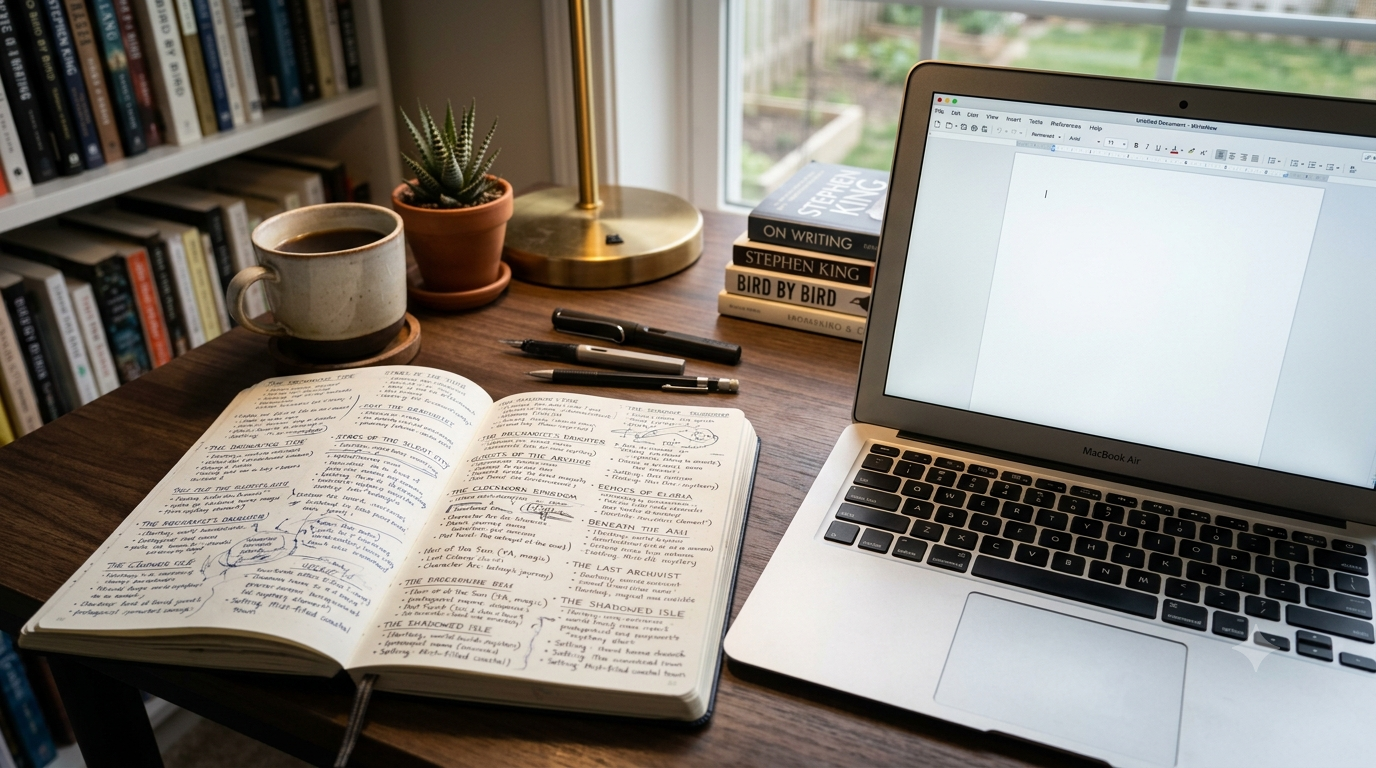
Writing is difficult because the blank page feels intimidating.
The moment you open a new document, questions begin filling your mind.
“Is this idea good enough?”
“Will anyone read it?”
“What if someone writes a better version?”
“What if I never finish?”
Ironically, these questions appear before you’ve even written your first paragraph.
The blank page isn’t just empty.
It reflects every doubt you’ve ever had.
Perfection Is the Enemy of Every First Draft
One mistake almost every new writer makes is believing their first draft needs to sound like a published book.
It doesn’t. Every bestselling author has one thing in common.
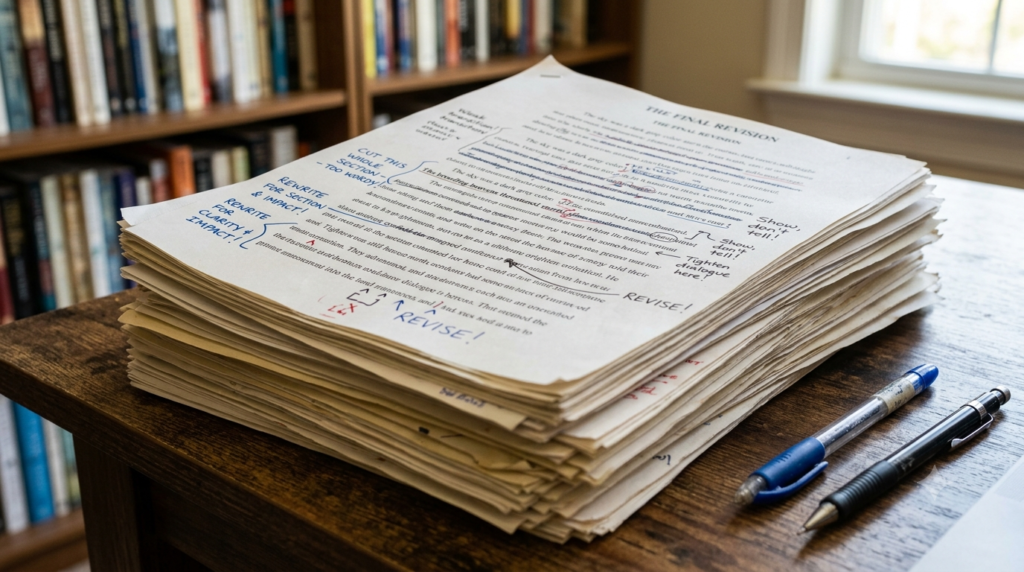
Their first draft was imperfect. Writing is rarely about getting everything right the first time.
It’s about giving yourself something to improve. A rough first draft is infinitely more valuable than a perfect book that never gets written.
Professional writers understand this. Beginners often don’t.
You Don’t Need More Ideas
You Need a Better Writing Habit Many people believe they’re waiting for inspiration. But experienced writers know inspiration is unreliable.
Habits are far more dependable. Some writers aim for 200 words each morning. Others write for thirty uninterrupted minutes every evening.
The goal isn’t speed. The goal is consistency.
Books are rarely written in one weekend. They’re built one page at a time. One paragraph at a time.
Sometimes… One sentence at a time.
Every Book Starts With One Small Decision
Think about your favorite author. At one point in their life… They were staring at a blank page too.
They had doubts. Questions. Unfinished ideas. The only difference is they decided to begin before they felt completely ready.
Progress didn’t come from confidence. Confidence came from progress. The hardest sentence you’ll ever write isn’t the conclusion.
It’s the first one.
Writing Has Changed More Than Ever Before
For generations, writers relied entirely on notebooks, typewriters, or blank documents.
Today, technology has changed the writing process.
Many authors now use digital tools to organize ideas, outline chapters, brainstorm titles, summarize research, or improve clarity during editing.
These tools don’t replace creativity.
They simply remove some of the repetitive work that often slows writers down.
The story is still yours. The ideas are still yours. The voice is still yours.
Technology simply helps you spend more time thinking—and less time staring at a blinking cursor.

Why Finishing Your Book Matters More Than Starting It
Starting a book is exciting.
Finishing one is life-changing. Many people underestimate the power of completing a project. The moment you finish your first book, something shifts.
You stop seeing yourself as someone who wants to become an author. You become one. That’s an important difference.
Finished work builds confidence in a way unfinished ideas never can. Your first book may never become a bestseller.
It may not sell thousands of copies. It may even contain mistakes you’ll notice years later. But it will teach you lessons that no writing course, podcast, or YouTube video ever could.
The goal of your first book isn’t perfection. The goal is transformation.
Your First Book Doesn’t Have to Change the World
One of the biggest pressures new writers place on themselves is believing their first book needs to be extraordinary.
It doesn’t.
Sometimes, the most valuable book you’ll ever write is simply the one that proves you can finish.
Think of it this way. Musicians don’t create their greatest song on day one. Photographers don’t take their best picture with their first camera. Filmmakers don’t direct award-winning films without years of practice. Writing follows the same path.
Every finished project becomes the foundation for the next one. Progress is built through repetition, not perfection.

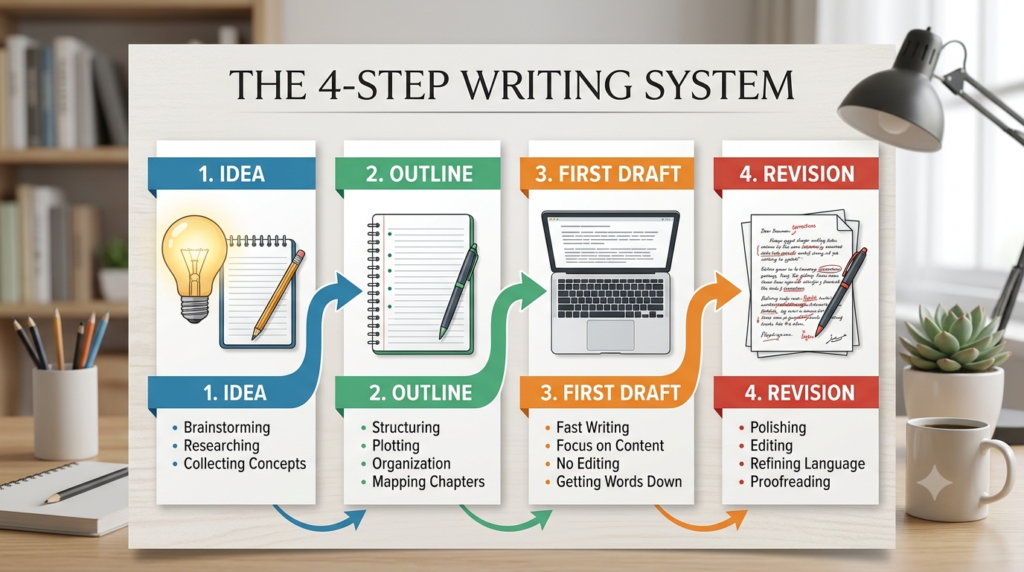
A Simple Writing System Anyone Can Follow
Many aspiring authors fail because they focus on finishing an entire book instead of completing today’s work.
Instead, simplify the process.
Day One
Write down your idea.
Don’t judge it.
Just capture it.
Day Two
Create a simple outline.
What problem does your book solve?
Or what story are you trying to tell?
Day Three
Write your introduction.
Don’t edit it.
Just keep moving.
The Following Weeks
Commit to writing a small amount consistently.
Even 300 words a day can become more than 100,000 words in a year.
Great books aren’t usually written in a single burst of inspiration.
They’re built through small daily commitments.
Technology Can Support the Process—But It Can’t Replace Your Voice
Modern writing tools have made the creative process more accessible than ever.
They can help you organize ideas.
Summarize research. Brainstorm chapter titles. Improve readability. Or create an outline when you’re unsure where to begin. These tools can save time.
But they cannot replace your experiences. They cannot replace your memories. And they certainly cannot replace your unique perspective.
Readers don’t connect with software. They connect with stories. The technology may help you write faster.
But your voice is what gives your book meaning.
Don’t Wait Until You Feel Ready
Many people spend years waiting for the perfect moment.
More free time.
More confidence.
More experience.
A better laptop.
A quieter house.
A bigger audience.
The truth is…
There will always be another reason to wait.
The best time to begin isn’t when everything feels perfect.
It’s when you’ve decided your story deserves to exist.
One page today is worth more than another year of planning.

A Simple Challenge
Before you close this page…
Open a blank document.
Don’t think about publishing.
Don’t think about sales.
Don’t think about reviews.
Simply answer one question.
What is one lesson, experience, or story that someone else could benefit from?
Now write for 15 uninterrupted minutes.
Not tomorrow.
Today.
You might be surprised by how much you’ve been carrying inside you all along.
Final Thoughts
Every book begins the same way.
With one idea.
One sentence.
One decision to begin.
Whether you’re writing to educate, inspire, entertain, or simply leave something meaningful behind, remember that every published author once faced the same blank page you’re looking at today.
The difference wasn’t talent.
It wasn’t luck.
It was the willingness to keep writing when the excitement faded.
If you stay consistent, your first chapter becomes your first draft.
Your first draft becomes your manuscript.
And one day…
That manuscript becomes a book with your name on the cover.
Frequently Asked Questions
How long should my first book be?
There’s no perfect length. Focus on delivering value or telling your story clearly. Many excellent non-fiction books range between 20,000 and 50,000 words.
Should I edit while I write?
It’s usually more effective to finish your first draft before making major edits. Separating writing from editing helps maintain momentum.
What if I don’t have enough time?
Even 15–30 minutes a day can make a significant difference over time. Consistency matters more than long writing sessions.
Can AI help with writing?
AI can be useful for brainstorming, outlining, organizing notes, and improving clarity. However, your ideas, experiences, and personal voice remain the most valuable part of any book.
Key Takeaways
- Start before you feel ready.
- Focus on finishing, not perfection.
- Build a simple daily writing habit.
- Use technology to support your workflow—not replace your creativity.
- Every completed page brings you closer to becoming an author.
AI outlining and writing assistants
Recommended Resource
Looking to deepen your understanding of AI-assisted writing?
Explore Easy AI eBook Writer to learn practical techniques for outlining, organizing, and developing your writing projects with the help of AI.