

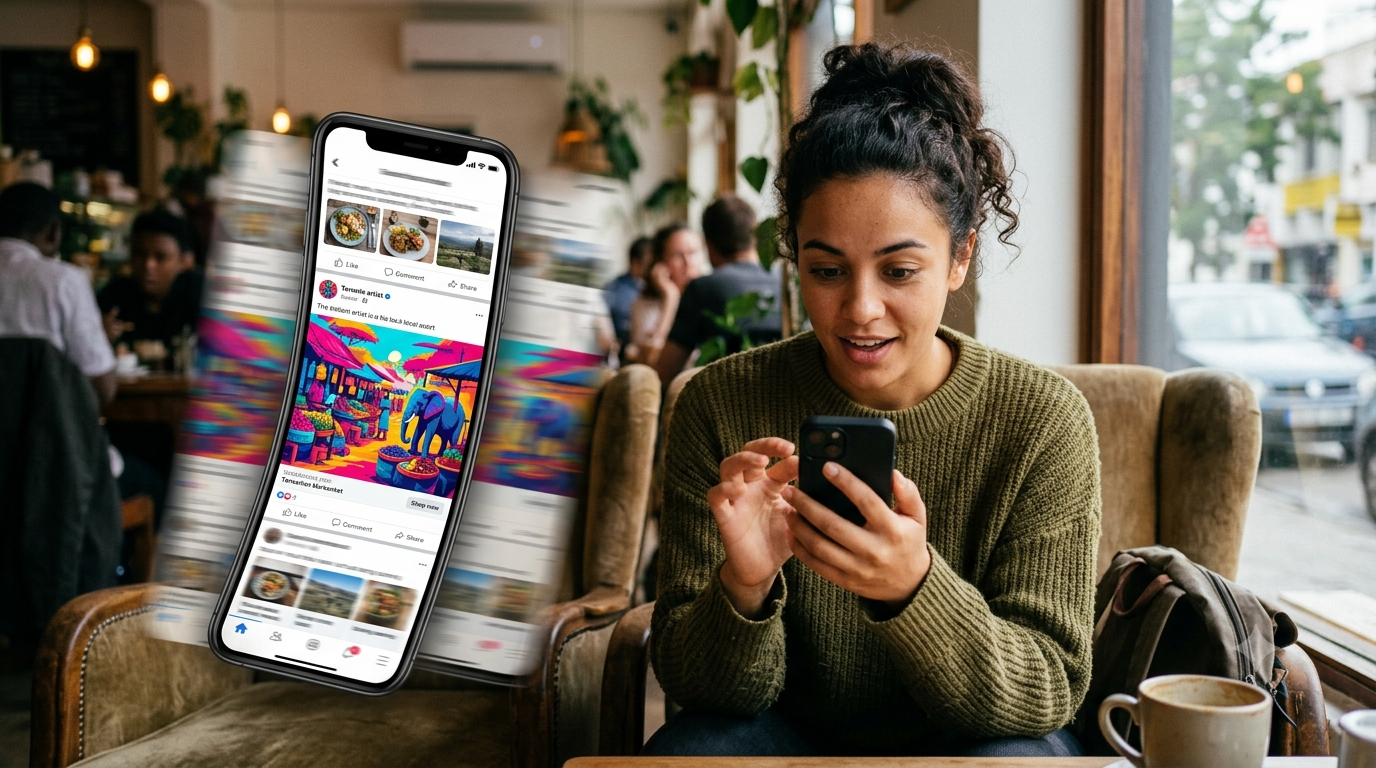
Have you ever noticed how quickly people scroll past information online?
It doesn’t matter whether you’re on Instagram…
Facebook…
LinkedIn…
Or even reading a blog.
People make decisions in seconds.
Sometimes…
In less than a second.
Before they read your headline…
Before they understand your message…
Before they know who you are…
They’ve already made one decision.
“Does this look interesting enough to stop scrolling?”
That’s the first challenge every creator, entrepreneur, teacher, and marketer faces today.
Not creating better ideas.
Getting people to notice them.
Information Alone Isn’t Enough Anymore
There was a time when simply sharing useful information was enough.
Today…
People are surrounded by thousands of messages every day.
Advertisements. Emails. Videos. Posts. Notifications.
Their brains have learned to filter almost everything. That’s why presentation has become just as important as the information itself. The goal isn’t to make things flashy.
The goal is to make them understandable. Good design doesn’t distract people. It guides them.
People Remember What They Can See
Think about the last presentation you truly enjoyed.
Chances are…
You don’t remember every sentence.
But you probably remember:
- The diagrams.
- The colors.
- The illustrations.
- The charts.
- The overall feeling.
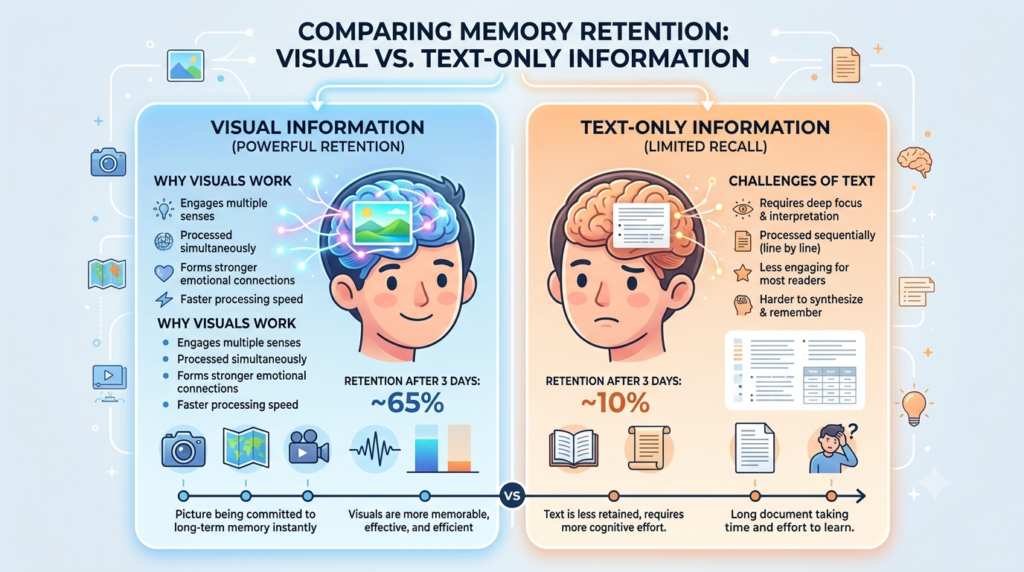
That’s because the human brain processes visual information much faster than plain text.
A well-designed visual doesn’t just make information attractive.
It makes information memorable.
Every Business Is Becoming a Media Company
Whether you own a restaurant…
Sell real estate…
Teach online…
Run a YouTube channel…
Or manage a local business…
You’re no longer competing only on products.
You’re competing for attention.
And attention usually begins with what people see first.
That’s why businesses invest in branding.
Creators invest in thumbnails.
Teachers use diagrams.
Marketers build infographics.
The message matters.
But presentation determines whether people will give your message a chance.
Great Design Isn’t About Being Artistic
Many people believe they aren’t “creative enough.”
The truth is…
Effective communication isn’t about being the world’s best designer.
It’s about making ideas easier to understand.
Simple layouts.
Clear colors.
Readable typography.
Logical flow.
These principles help people focus on your message instead of struggling to understand it.
Good design serves communication. It doesn’t compete with it.

Technology Is Making Visual Creation More Accessible
Today, creators and businesses have access to digital tools that can help them brainstorm visual concepts, create illustrations, organize presentations, and communicate ideas more effectively.
These tools don’t replace creativity.
They simply make it easier for more people to express their ideas visually.
The most important part is still the message.
Technology simply helps you present that message more clearly.
Why People Remember Pictures More Than Words
Think about the last presentation that truly impressed you.
Was it because it contained the most text?
Probably not.
More likely, you remember the clean diagrams, simple illustrations, memorable icons, or striking visuals that made complex ideas easy to understand.
That’s because the human brain is naturally wired to recognize patterns and images much faster than blocks of text.
A single well-designed visual can often explain what would otherwise require several paragraphs.
Visual communication doesn’t replace words.
It strengthens them.

Great Design Makes People Feel Something
Every successful brand understands one important principle.
People don’t always remember what they read.
But they almost always remember how something made them feel.
Think about your favorite brands.
You probably remember their colors.
Their logo.
Their packaging.
Their website.
Their advertisements.
Those visual details create emotional connections long before anyone reads the message.
Whether you’re creating social media content, educational materials, business presentations, or marketing campaigns, design is more than decoration.
It’s emotion translated into visuals.
Simplicity Is Often More Powerful Than Complexity
Many beginners believe professional design means adding more.
More colors. More effects. More icons. More animations.
In reality, experienced designers often do the opposite.
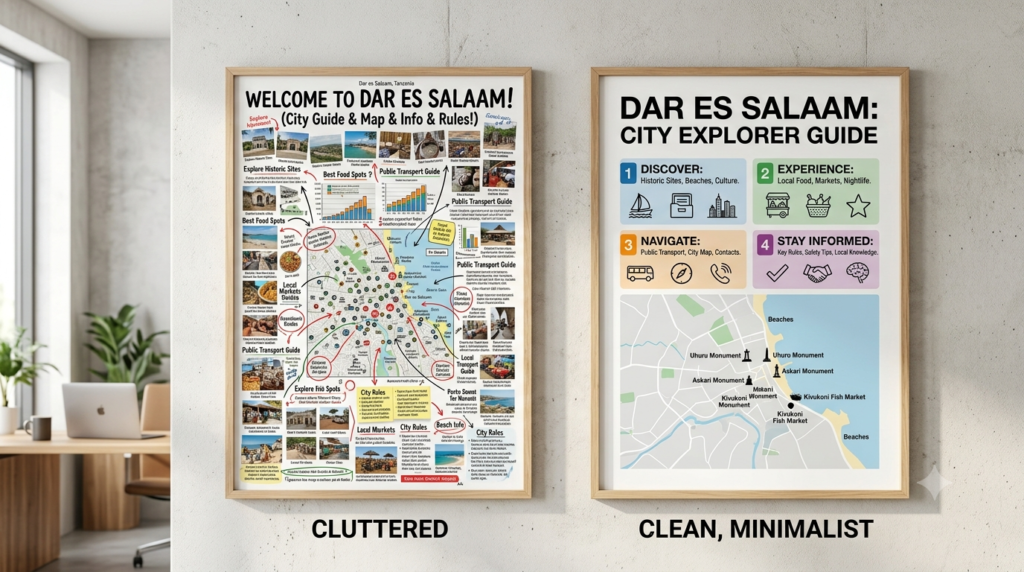
They remove distractions. They simplify layouts. They increase white space. They focus attention on one clear message.
When everything competes for attention, nothing stands out.
The strongest designs are often the simplest.
Visual Storytelling Is Becoming an Essential Skill
No matter what industry you’re in, communication has become increasingly visual.
Teachers use diagrams to explain difficult concepts.
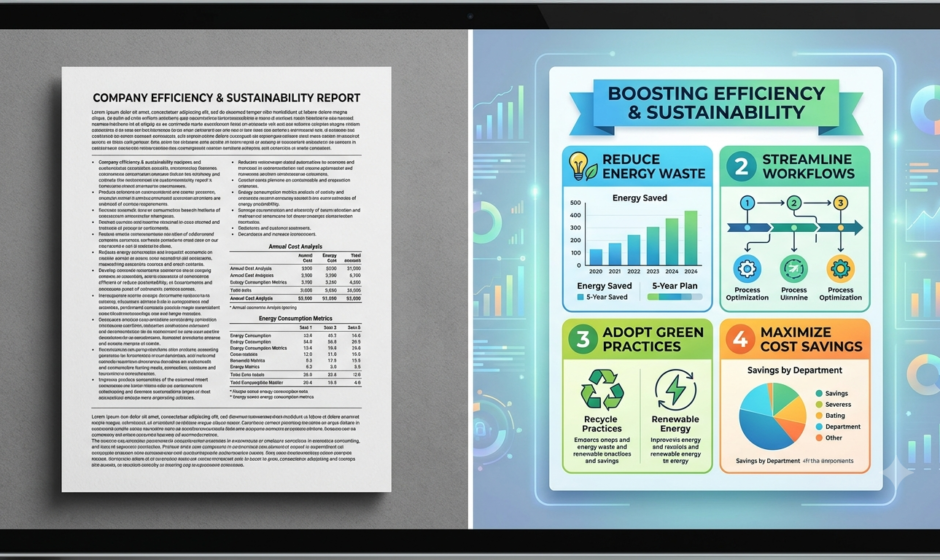
Businesses use infographics to present reports.
YouTubers create eye-catching thumbnails.
Authors use illustrations to support their ideas.
Marketers rely on visual storytelling to explain products and services.
The ability to communicate visually is no longer limited to graphic designers.
It’s becoming a valuable skill for entrepreneurs, educators, creators, and professionals across almost every industry.
Learning how to present ideas clearly can make your message more memorable and easier for people to understand.
Technology Is Changing How We Create
Today’s creative tools have made visual communication more accessible than ever.
Tasks that once required advanced technical skills can now be planned, organized, and refined much more efficiently.
This doesn’t make creativity less valuable.
If anything, it makes human creativity even more important.
Technology can speed up repetitive tasks.
It can assist with brainstorming.
It can help organize ideas.
But it still relies on human imagination to create meaningful stories and authentic communication.
The future won’t belong to people who simply know how to use software.
It will belong to people who know how to communicate ideas clearly.
A Simple Creative Challenge
Before you close this article, try something simple.
Take one idea you’ve been thinking about recently.
Instead of writing a long paragraph about it…
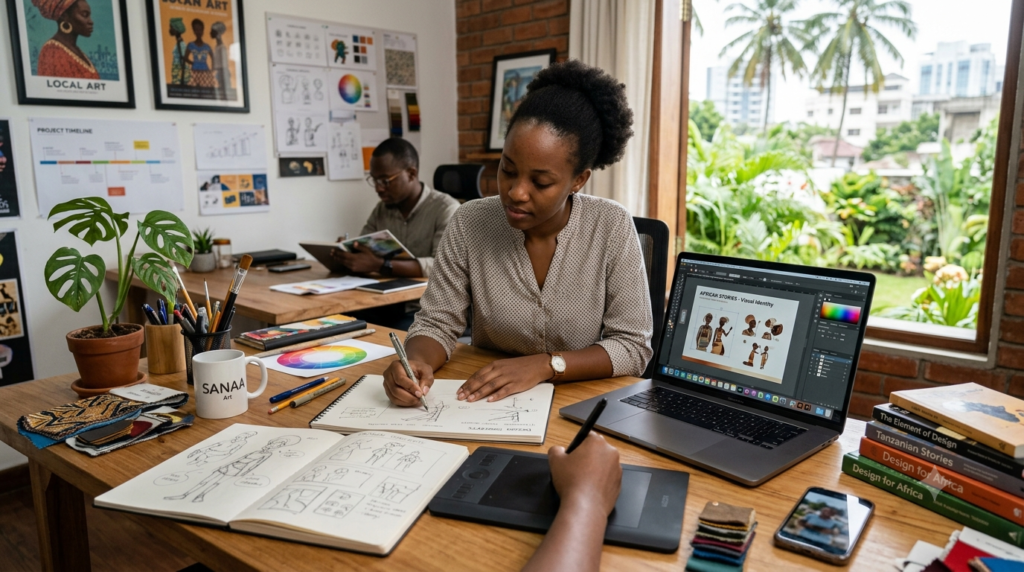
Explain it visually. Draw a simple diagram. Create a rough sketch. Design a basic flowchart. Use icons. Use shapes. Focus on clarity rather than perfection.
You may discover that your audience understands your message much faster when they can both see and read it.
Final Thoughts
Ideas change the world.
But only when people understand them.
That’s why visual communication matters.
It’s not about making everything look beautiful.
It’s about making information easier to understand, easier to remember, and easier to share.
Whether you’re teaching, selling, creating content, or building a business, improving the way you present your ideas is one of the most valuable skills you can develop.
The best communicators don’t always have the biggest vocabulary.
They know how to combine words and visuals to tell stories that people remember.
Frequently Asked Questions
Do I need to be an artist to create effective visuals?
No. Clear communication is more important than artistic ability. Simple layouts and well-organized information often work better than overly complicated designs.
Why do visuals improve communication?
Visuals help people process information more quickly, identify patterns, and remember key ideas more effectively than text alone.
Can visual storytelling help small businesses?
Absolutely. Clear visuals can improve branding, marketing, customer education, presentations, and social media engagement.
What should beginners focus on first?
Start with clarity. Use readable typography, consistent colors, logical layouts, and visuals that support your message instead of distracting from it.
Key Takeaways
- People process visual information faster than text.
- Good design improves understanding—not just appearance.
- Simplicity often communicates more effectively than complexity.
- Visual storytelling is becoming a valuable skill across many industries.
- Human creativity remains the foundation of meaningful design.
Continue Learning About Visual Communication
If today’s article inspired you to explore visual storytelling further, consider learning more about illustration, presentation design, and creative workflows using modern digital tools. There are many online resources available that can help you develop these skills step by step.